Blood pressure is determined both by the amount of blood your heart pumps and the amount of resistance to blood flow in your arteries. The more blood your heart pumps and the narrower your arteries, the higher your blood pressure. A blood pressure reading is given in millimeters of mercury (mm Hg). It has two
Top number (systolic pressure).The first, or upper, number measures the pressure in your arteries when your heart beats.
Bottom number (diastolic pressure).The second, or lower, number measures the pressure in your arteries between beats.
You can have high blood pressure for years without any symptoms. Uncontrolled high blood pressure increases your risk of serious health problems, including heart attack and stroke.
What are heart risks for the elderly?
Our heart started to beat at the sixth week of gestation and will never stop 24 hours a day 365 days a year.
This tremendous pump that pushes the blood all around the body can develop with aging muscular issue (heart attack) valve issues (leading to heart insufficiencies) or electrical issues (each chamber of the heart need to contract itself at a very good moment according to another chamber, electrical issues as fibrillation, for example, are common in aging).
Fall Risks:
With aging usually muscles are weaker, certain elders can’t stand up when they fall.
The balance is a combination of sight (which is declining with aging, particularly night sight), proprioception (a complex osteo-articular sensory fonction that tells the brain where the balance is), and inner ear. This balance is less efficient with aging and increases the risk of falling. Due to osteoporosis, the skeleton breaks more easily. Falling is for all those reasons a major risk for elders.
What is Diabetes?
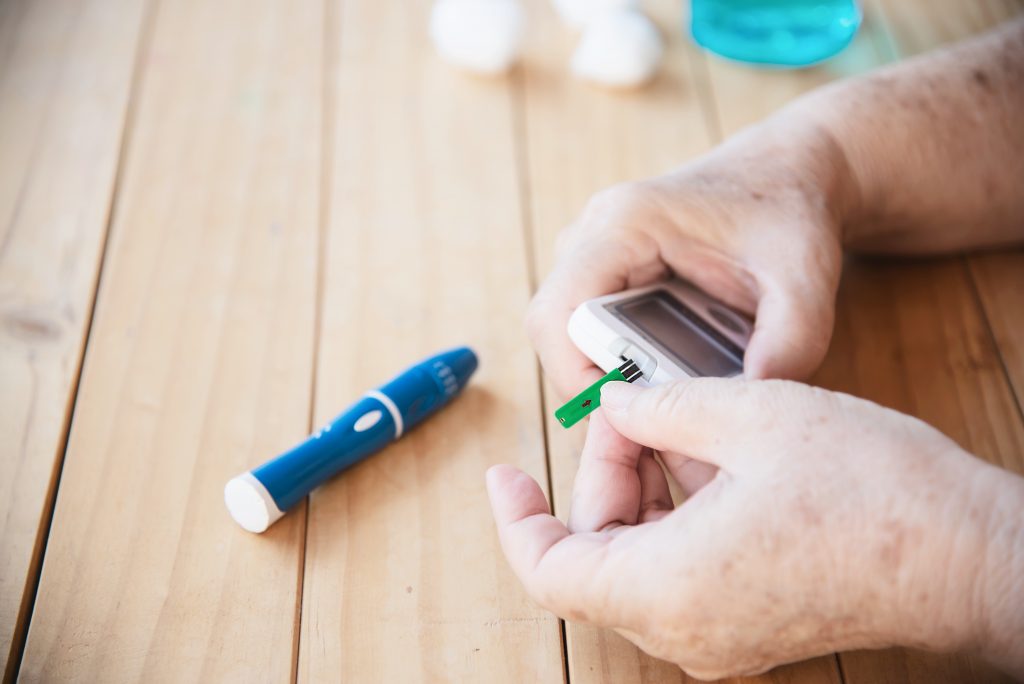
Diabetes is a disease in which the body’s ability to produce or respond to the hormone insulin is impaired, resulting in abnormal metabolism of carbohydrates and elevated levels of glucose in the blood.
This elevation of glucose in blood in months and years attacks sight (blindness), heart (heart attack, rythm issues), kidneys (leading to kidney insufficiency), skin sensitivity (loss of sense of touch on legs and feet), scarring issues (small injuries can take very long to scare and can get more easily infected), immune issues (viral and bacterial infections are caught more easily), erection disorders (with time diabetes erodes certain vessels like the one needed for an efficient erection).
What are the Risks of Diabetes for Elders?
Diabetes type 2 is more frequent in elders. This disease can be hidden for years before being diagnosed. It attacks insidiously the eye (risk of blindness) the heart (risk of heart attack) the kidneys (risk of kidney failure), the immune system (increase risk of bacterial or viral infection, delay in scarring…), the erectile function (sexual impotency)…
What are IoTs ?
The Internet of things (IoT) describes physical objects (or groups of such objects) that are embedded with sensors, processing ability, software, and other technologies that connect and exchange data with other devices and systems over the Internet or other communications networks. The field has evolved due to the convergence of multiple technologies, including ubiquitous computing, commodity sensors, increasingly powerful embedded systems, and machine learning. Traditional fields of embedded systems, wireless sensor networks, control systems, automation (including home and building automation), independently and collectively enable the Internet of things. The IoT can also be used in healthcare systems.It will be called an IoMT for Internet of Medical Things.